

















































![Nuna PRYM - Caviar [Pre Order] | Little Baby.](http://www.littlebaby.com.sg/cdn/shop/products/Untitleddesign_13_7fa625e6-54e9-496a-81cc-f159b5e03eec.jpg?v=1628653235&width=800)











































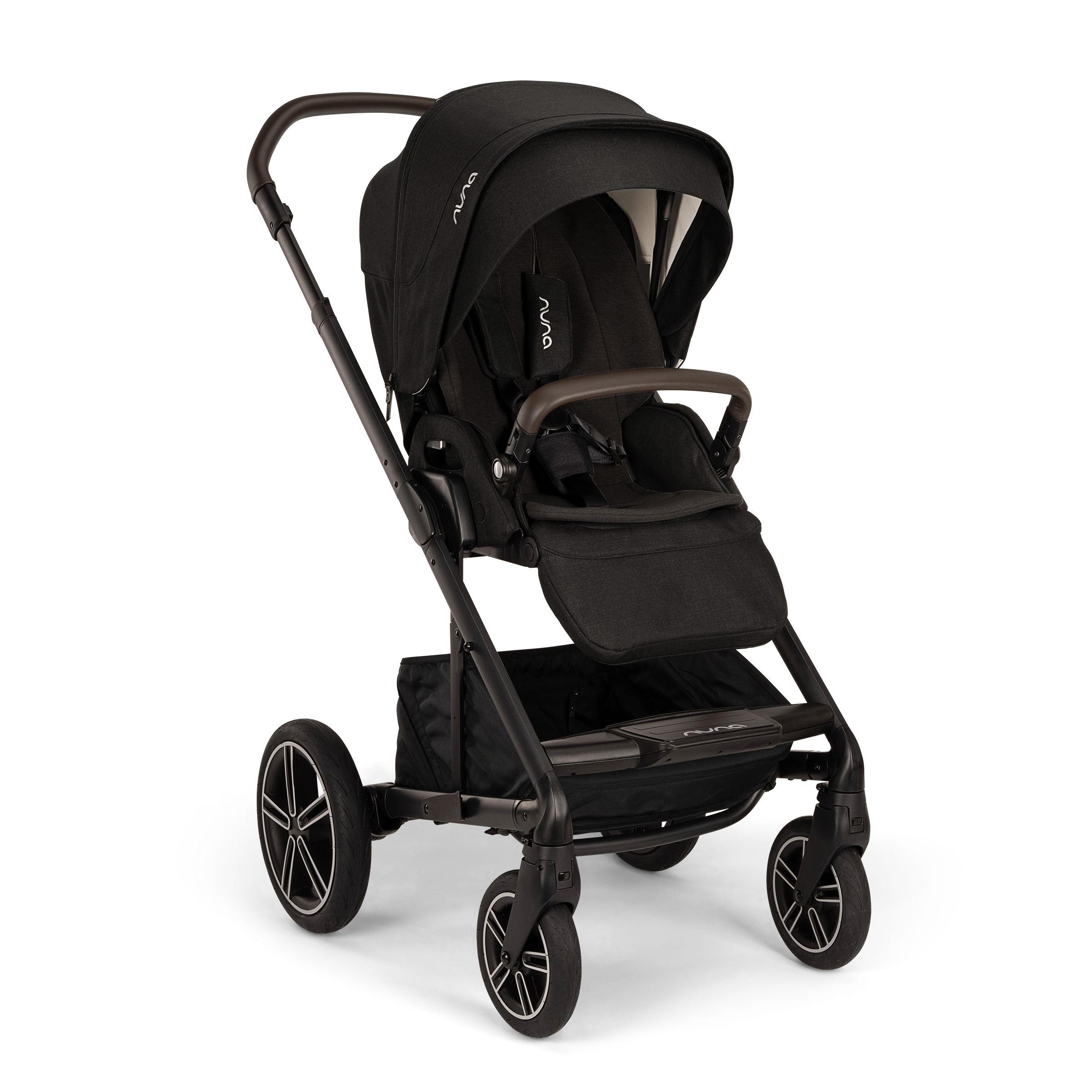




















































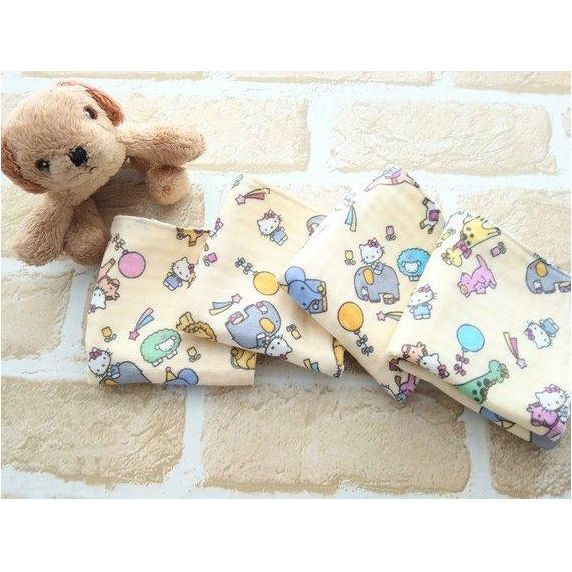








































































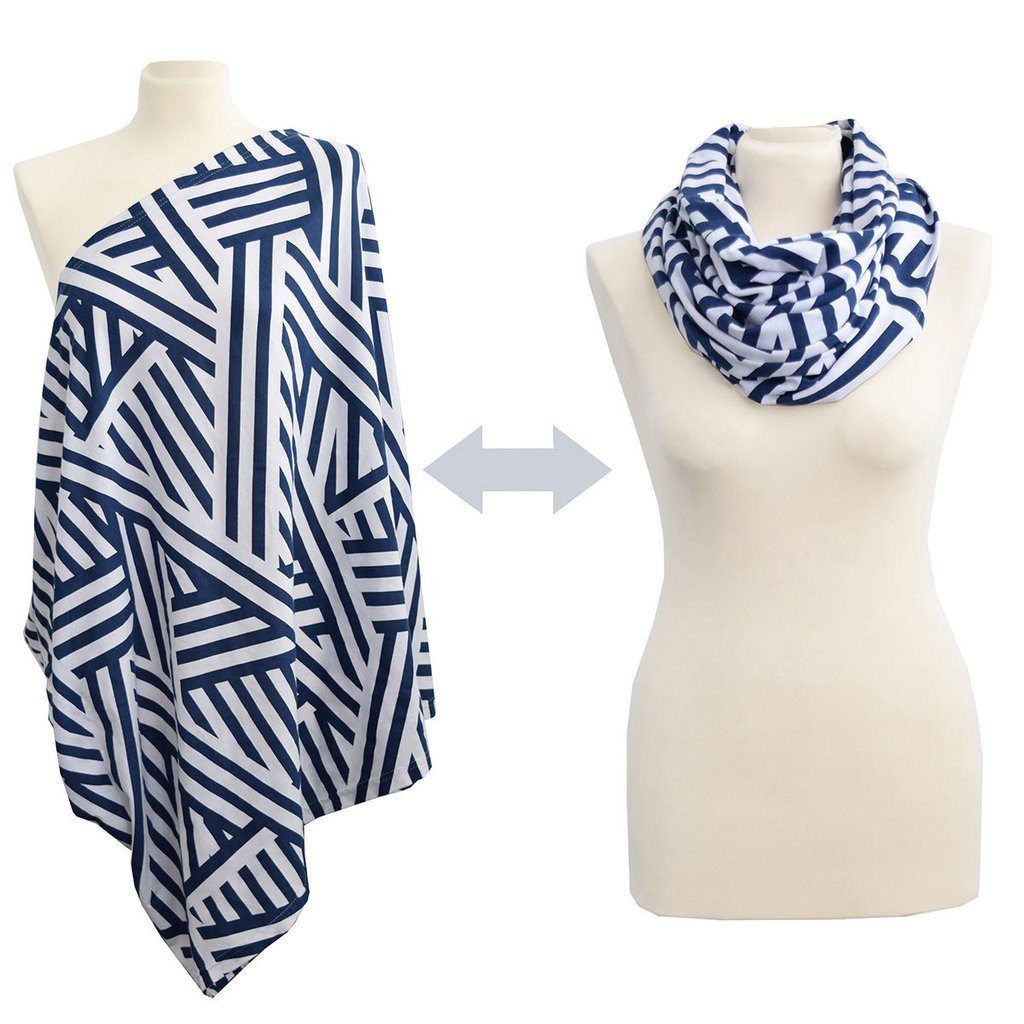


















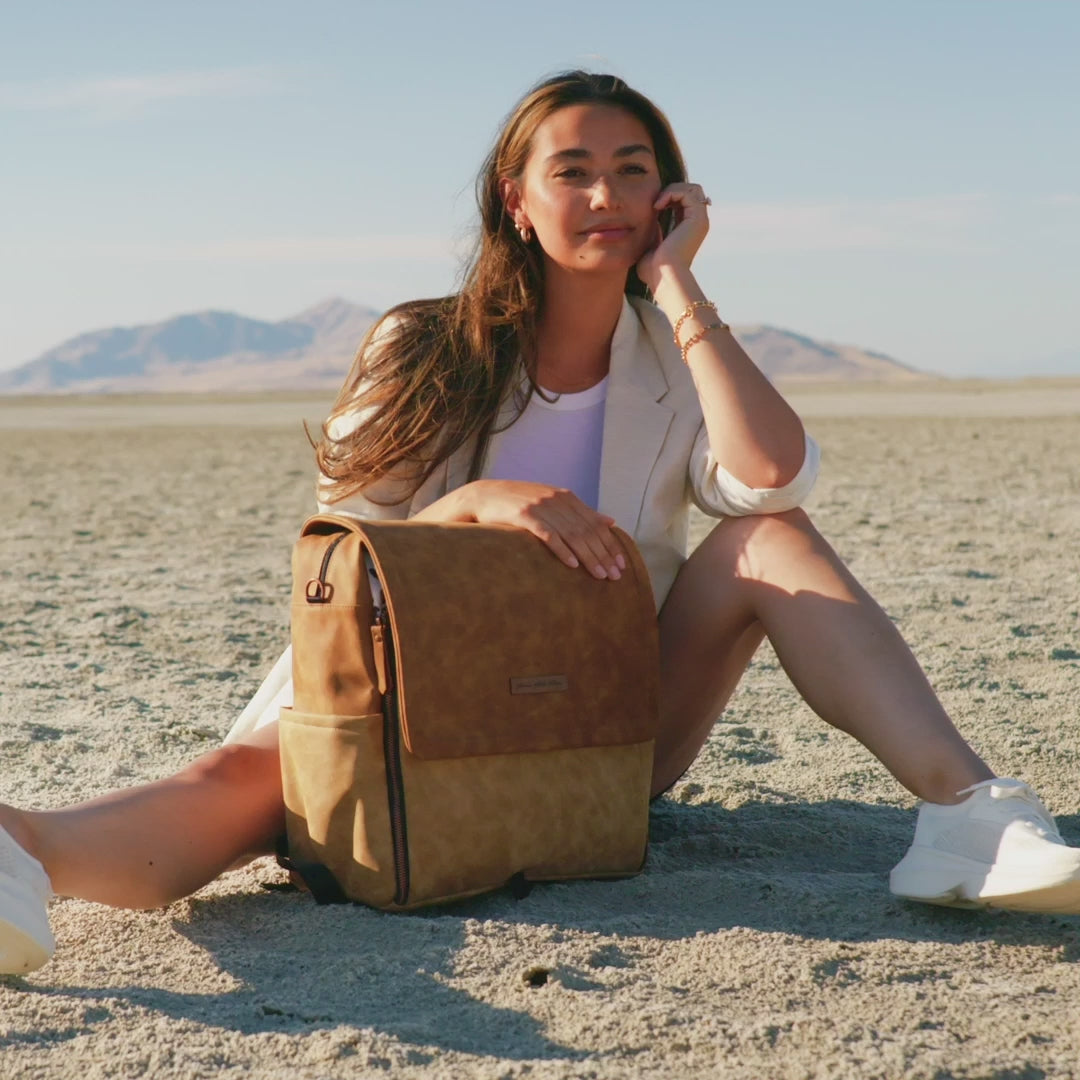


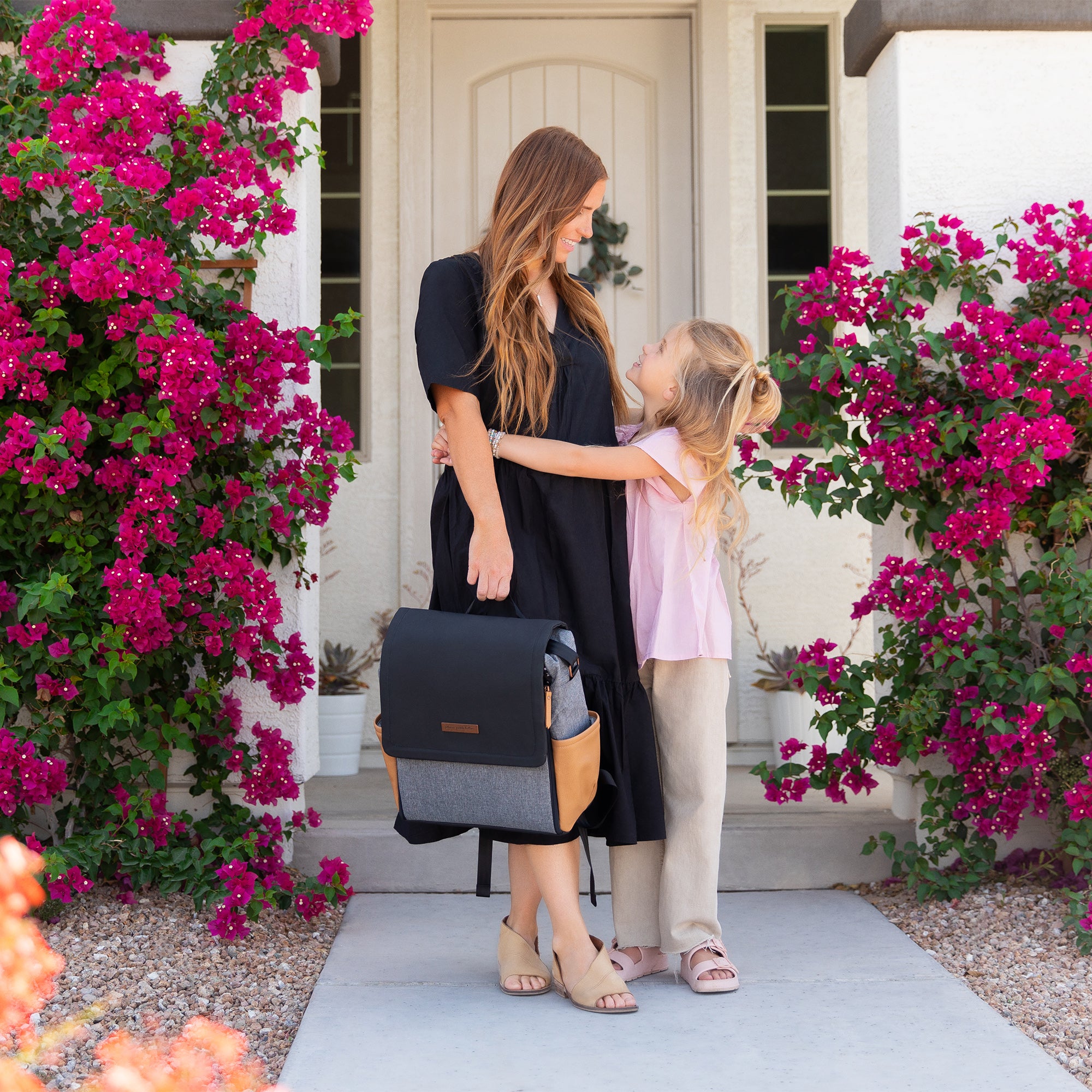










































































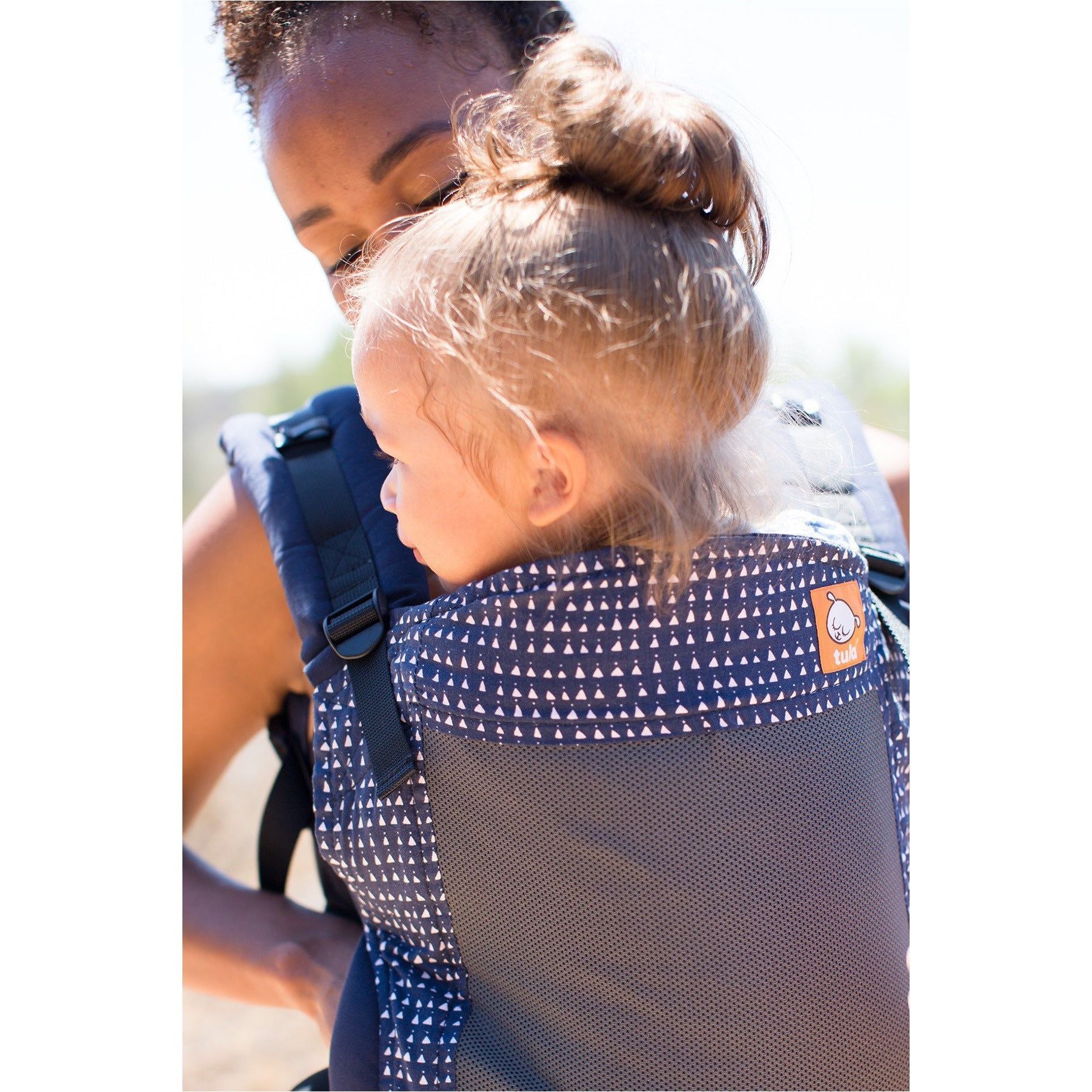

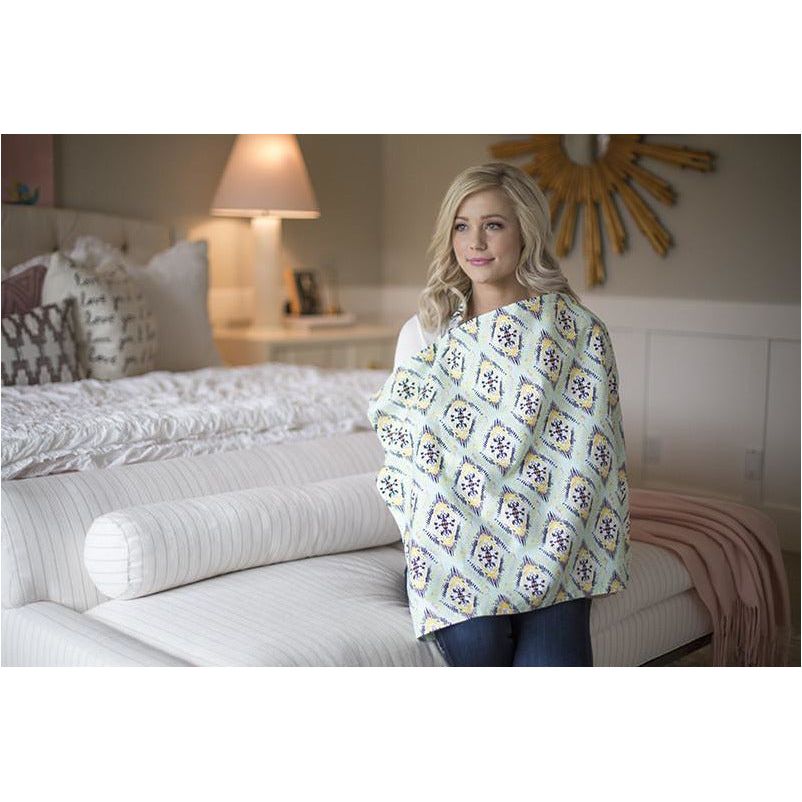











 image credit @deedeedee13
For parents navigating Singapore’s bustling MRT stations, crowded hawker centers, and humid weather, a stroller isn’t always the most convenient option. Enter babywearing—a practice that keeps your little one close while giving you two free hands to tap your EZ-Link card or carry your kopi.
But with our unique climate and lifestyle, there are specific things to keep in mind. Here is your guide to starting your babywearing journey in the Little Red Dot.
When Can I Start?
You can introduce your baby to a carrier from birth (newborn stage), provided you have the right equipment.
- Newborns (0-4 months): At this stage, neck control is minimal. Stretchy wraps or ring slings are excellent as they mimic the womb and offer snug support. If you prefer a structured carrier, ensure it has a newborn insert or an adjustable base designed specifically for infants (minimum weight requirements usually start around 3.2kg).
- Older Babies (4 months+): Once your baby has strong neck control, you can transition to Soft Structured Carriers (SSCs) or hip seats, which are very popular in Singapore for their ease of use.
The "Sweat Factor": Choosing a Carrier for Singapore
The biggest challenge in Singapore is the heat. Wearing a baby is like wearing a hot water bottle; you will sweat. To minimize discomfort and the risk of heat rash:
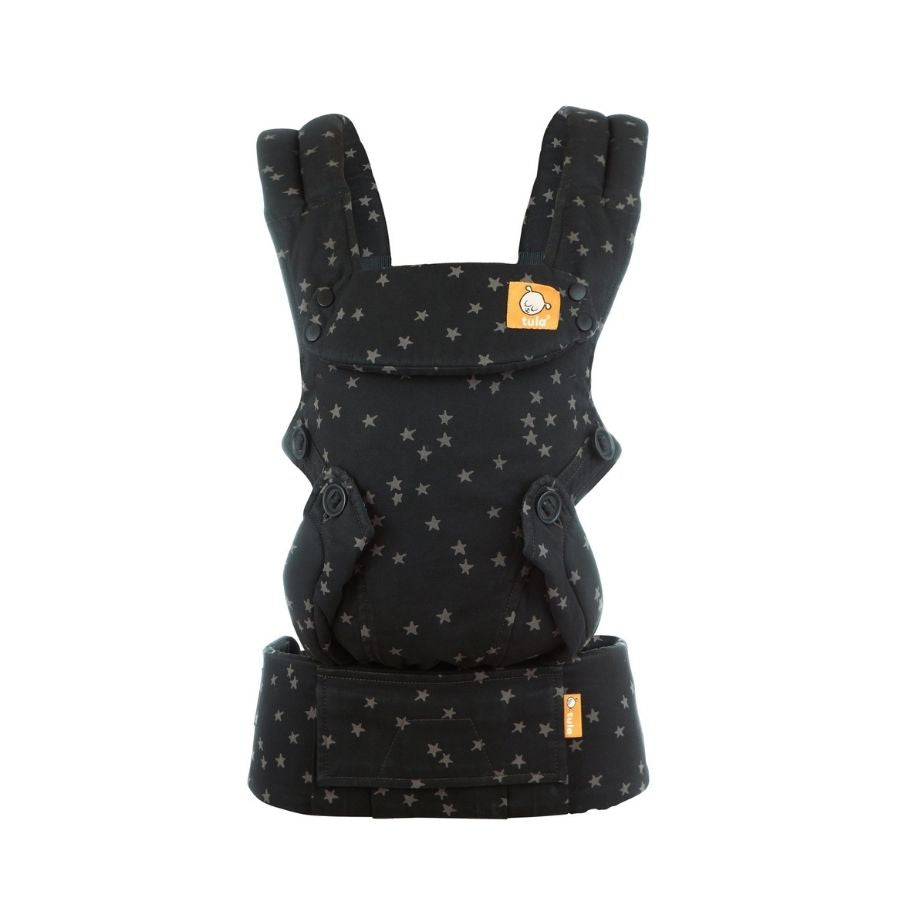
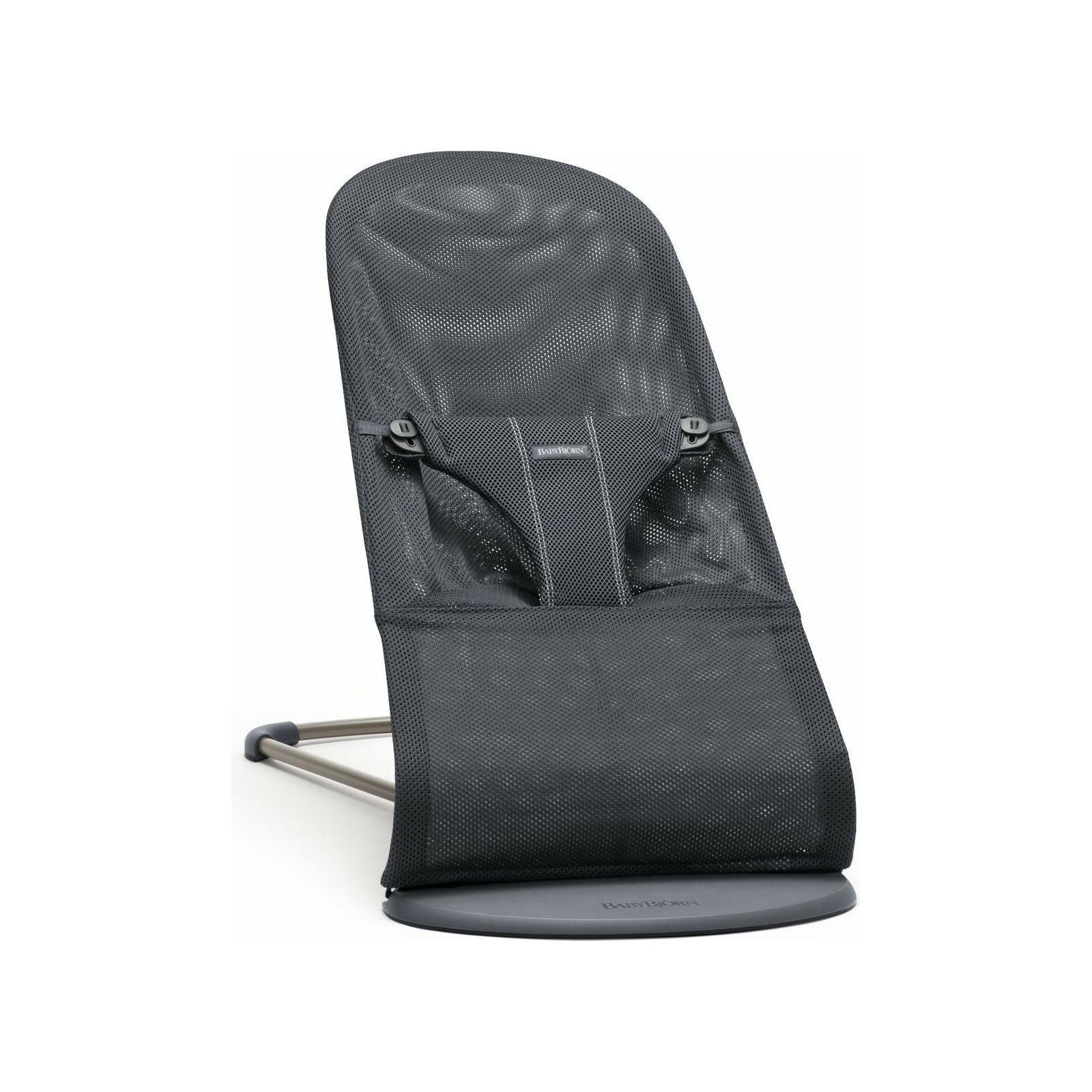
1. Go for Mesh: Look for carriers with "Air," "Cool Air," or "Mesh" in the name (e.g., Tula Coast, Ergobaby Omni Breeze, or BabyBjörn Mesh). These have breathable panels that allow airflow to reach the baby’s back.
2. Natural Fabrics: If you prefer wraps or slings, choose lightweight materials like linen or bamboo blends. Avoid thick, heavy cottons or fleece that trap heat.
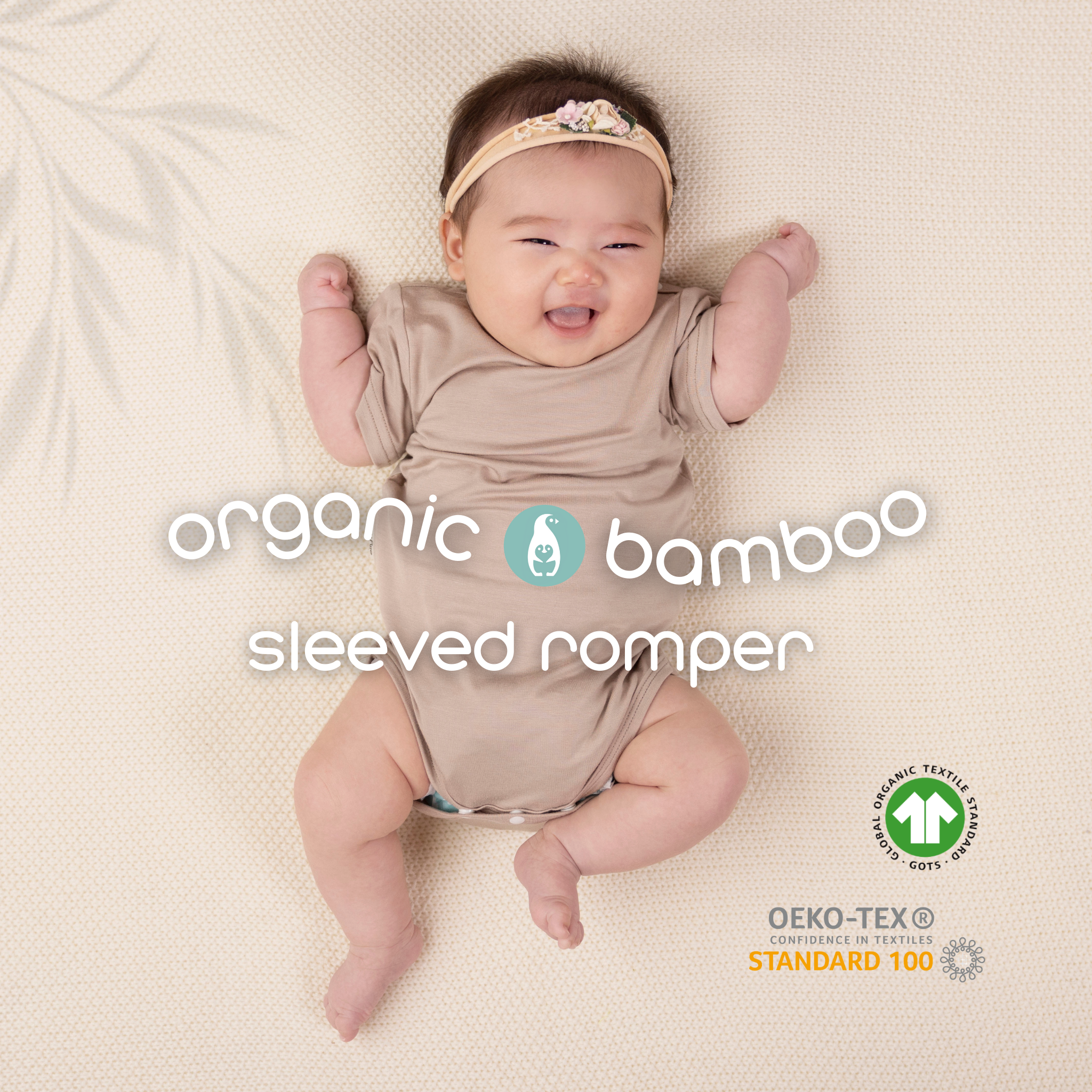
3. Dress Light: If you are babywearing outdoors, dress your baby in one less layer than usual. A thin romper or onesie is often enough.
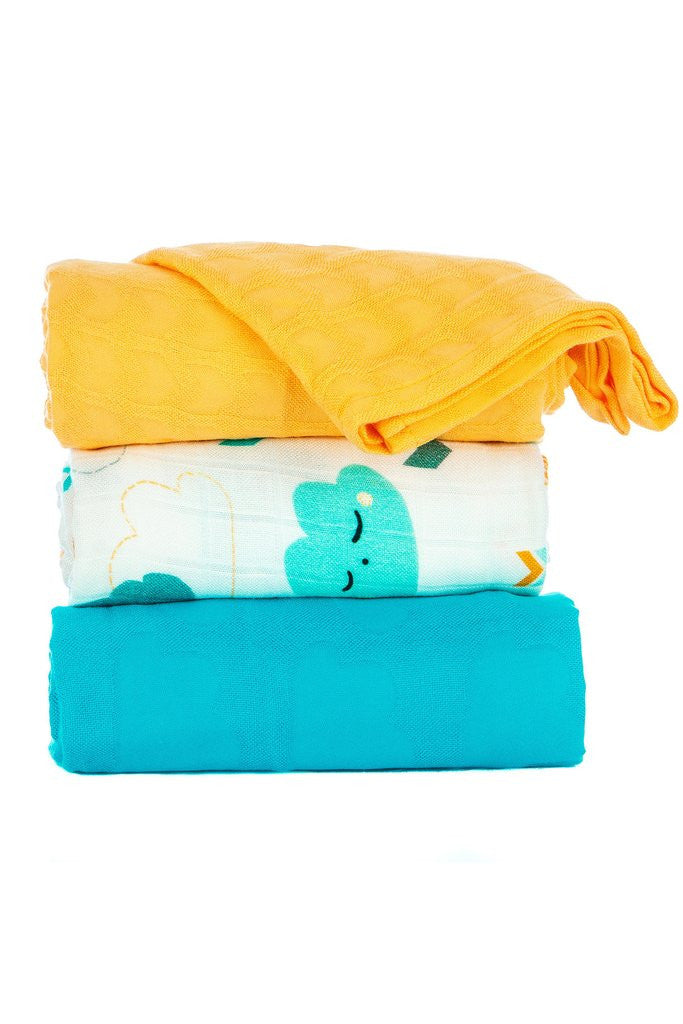
4. The Muslin Trick: Place a thin muslin cloth between your chest and the baby’s face. This absorbs sweat and prevents that "sticky" feeling where skin meets skin.
Safety First: The T.I.C.K.S. Rule
Regardless of the brand you buy, safety is non-negotiable. Always follow the T.I.C.K.S. rule to prevent suffocation and ensure healthy hip development:
- Tight: The carrier should be tight enough to hug your baby close to you.
- In view at all times: You should always be able to see your baby’s face by glancing down.
- Close enough to kiss: Your baby’s head should be close enough to your chin that you can kiss their head easily.
- Keep chin off the chest: Ensure your baby’s chin is up and away from their body to keep their airway clear.
- Supported back: The baby’s back should be supported in a natural position (usually a 'C' curve for newborns).
Pro-tip: Also look for the "M" position for legs. Your baby's bottom should be lower than their knees (creating an M shape) to prevent hip dysplasia.
Why Do It?
Beyond the convenience of navigating narrow aisles at FairPrice, babywearing is scientifically proven to reduce crying and soothe babies who suffer from reflux—a common issue for newborns. It promotes bonding and allows nursing mothers to breastfeed on the go discreetly.
** In our next article, we will touch on the most popular baby carrier brands among Singaporean parents, specifically chosen for their ability to handle our heat and humidity.
Test a baby carrier? Head down to our showroom today via appointment


